

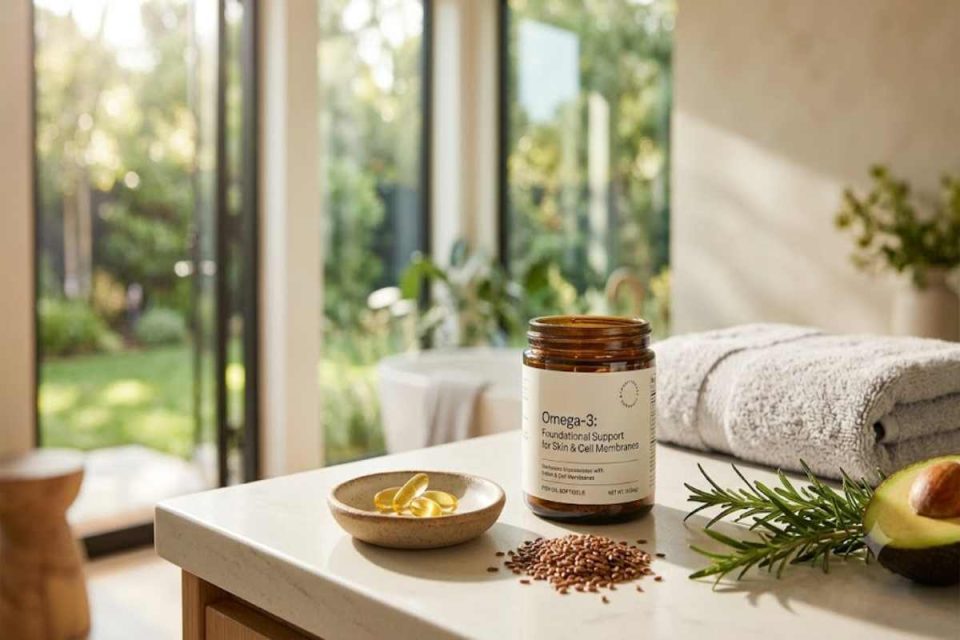
The omega-3 benefits for skin are attracting attention because these essential fatty acids play an important role in cell membranes and inflammatory processes. EPA, DHA and ALA are the three main omega-3 fatty acids, with EPA and DHA found mainly in oily fish and seafood, while ALA comes largely from plant foods such as flaxseed and some vegetable oils.
Omega-3s may be beneficial for skin conditions by influencing the skin barrier and inflammation control. They should not, however, be seen as a replacement for sunscreens, moisturisers or medical treatments in the management of a declared skin disease and the available evidence is promising for certain conditions but inconclusive and study-dependent.
Omega-3’s may have other benefits on the skin, such as, normal skin-barrier function and may moderate pathways which are pro-inflammatory. EPA and DHA, along with other omega-3s, are most studied for their role on the skin but it is evident that there is not any proof that supplements are a substitute for existing topical care or prescribed therapy.
Table of Contents
What Are Omega-3 Fatty Acids?
Omega-3s are polyunsaturated fats needed for normal body function. The main forms are:
| Omega-3 | Main sources | Relevance to skin |
|---|---|---|
| ALA | Flaxseed, chia, walnuts, plant oils | Essential dietary omega-3 |
| EPA | Oily fish, fish oil, algae-based products | Studied for inflammatory pathways |
| DHA | Oily fish, seafood, algae | Important structural fatty acid |
Although the body is capable of synthesizing EPA and DHA from ALA, it is not very efficient. People who want higher levels of EPA or DHA will get them from seafood or the correct supplements.
Omega-3 Benefits for Skin: What Can They Do?
Research suggests several possible ways omega-3s may support skin health.
1. May Help Support the Skin Barrier
A functional skin barrier supports water balance and protects against a harsh environment. Since omega-3s have been incorporated into the cell membrane, an appropriate amount of dietary fat is required for normal cell function.
However, it doesn’t necessarily imply that extra supplementation of omega-3 will give you smooth and hydrated skin. The effects of nourishment combine with the usage of moisturizer, levels of humidity, habits of skin cleansing, and sun exposure, etc.
2. May Help Regulate Inflammation
EPA and DHA can mediate lipid mediators and participate in inflammatory processes. Therefore omega-3’s have been investigated on dermatological diseases such as acne, psoriasis and atopic dermatitis.
A 2025 systematic review on topical omega-3 identified potentially anti-inflammatory benefit, although the optimal molecules, concentrations, delivery routes and usage remain unclear and need more clinical investigation.
3. May Support Skin Resilience
Research into the impact of omega-3 intake on the skin’s response to inflammatory and/or environmental challenge has been performed, with one human study demonstrating modulation of aspects of the skin’s lipid mediator profile following supplementation with omega-3 for 10 weeks (including responses related to UV exposure).
It’s important to clarify that this cannot serve as sun protection: Omega-3 supplements are not a substitute for a broad-spectrum sunscreen, covering clothes or shade.
4. Possible Relevance to Inflammatory Skin Conditions
There are reports from reviews suggesting the benefits of takingomega-3 supplements for certain conditions with skin-related inflammation. However, studies also vary enormously with regards to how the formulations, dose, subject and results.
That makes it difficult to recommend one universal omega-3 dose specifically for skin.
Food Sources of Omega-3
For most people, food is a sensible starting point.
Good sources include:
- Sardines and other oily fish
- Mackerel
- Salmon
- Flaxseeds and flaxseed oil
- Chia seeds
- Walnuts
- Soy foods
- Algae-based foods or supplements
For vegetarians and vegans, algae-derived DHA and EPA products can provide a non-fish source of these long-chain omega-3s.
A Simple Omega-3 Skin-Health Workflow

Rather than immediately buying a supplement, consider this approach:
1: Review your normal diet.
2: Add omega-3-rich foods where appropriate.
3: Maintain a basic skincare routine with gentle cleansing and moisturizing.
4: Use daily sun protection.
5: If considering supplements, check the EPA and DHA amounts rather than only the total “fish oil” quantity.
6: Discuss supplementation with a healthcare professional if you take regular medicines or have a medical condition.
This approach is more realistic than treating omega-3 as a standalone skin treatment.
How Much Difference Should You Expect?
Omega-3 is not a quick beauty fix. If you do not have an existing dietary deficit of omega-3, any supplements you add may have little in the way of immediately observable beneficial change in the look of your skin. The effect that is happening may not be visible and have much more to do with nutritional status and/or inflammation.
Research also does not lend support to glowing promises that omega-3 supplements will eliminate wrinkles, solve acne, or forever change skin texture.
Omega-3 for Skin: Pros and Limitations
| Potential advantages | Limitations |
|---|---|
| Provides essential fatty acids | Visible skin changes are not guaranteed |
| Supports normal cell membranes | Evidence varies by skin condition |
| May influence inflammatory pathways | Not a substitute for prescribed treatment |
| Available from everyday foods | Supplements can cause digestive side effects |
| Vegetarian EPA/DHA options exist | Product quality and dose vary |
Who May Consider Omega-3?
The benefits of foods rich in omega-3 can help many people to form a healthy, balanced diet. If dietary intake is poor or if there are specific nutritional requirements, a discussion may be made with a doctor or dietitian about a supplement.
Individuals suffering from chronic acne, eczema, psoriasis or unidentified rashes, or other skin problems should not assume that taking supplements alone will solve their problem. A qualified dermatologist will determine the exact problem and advise accordingly.
Safety: What Should You Know?
Omega-3 supplements are generally well tolerated at commonly used doses, although side effects can include heartburn, nausea, gastrointestinal discomfort, diarrhoea, bad breath and an unpleasant taste.
This effect can also be related to drug interactions. Individuals that consume either a blood thinner or take any medication on a regular basis are strongly advised to consult with their physician prior to use of the higher dose omega 3 products.
The amount of EPA + DHA is more useful when comparing products than simply looking at the total amount of fish oil.
Omega-3 Supplements vs Food
| Factor | Food | Supplement |
|---|---|---|
| Nutritional value | Provides other nutrients | Usually more concentrated |
| EPA/DHA | Depends on food | Amount is labeled |
| Convenience | Requires meal planning | Easy to take |
| Vegetarian options | ALA-rich foods widely available | Algal EPA/DHA available |
| Best starting point | Often preferable | Consider when appropriate |
Frequently Asked Questions
What are the main omega-3 benefits for skin?
The main potential benefits relate to normal cell membranes and the regulation of inflammatory pathways. Research is also investigating possible effects on skin-barrier function and inflammatory skin conditions, although evidence is not conclusive for every use.
Can omega-3 make your skin glow?
There is no strong evidence that omega-3 supplements directly create a “glow”. Adequate nutrition can support normal skin health, but visible appearance also depends on genetics, skincare, sleep, hydration, sun exposure and overall health.
Is omega-3 good for dry skin?
Omega-3s may contribute to normal skin function, but dry skin has many possible causes. A moisturizer and appropriate skincare routine are generally more direct approaches to managing dryness.
Should I take fish oil for better skin?
Not necessarily. If you already eat a balanced diet containing omega-3-rich foods, additional supplementation may provide limited visible benefit. Speak with a healthcare professional before taking supplements for a specific skin condition.
Can omega-3 replace sunscreen?
No. Even if omega-3 influences some inflammatory responses to UV exposure, it should never be considered a replacement for sunscreen or other sun-protection measures.
Conclusion
The omega-3 benefits for skin are best understood as part of overall nutritional and skin health rather than as a miracle skincare solution. Research suggests that EPA and DHA can influence inflammatory and lipid pathways relevant to the skin, while clinical evidence for specific conditions continues to develop.
For many people, a sound diet with proper omega-3 sources is a great place to start. If your skin condition has been a problem for some time or if you want to take concentrated supplements, ask your doctor or dermatologist before trying them; don’t just listen to “blog wisdom.”